Can Oxygen Therapy Support Recovery in Multiple Sclerosis?
Multiple Sclerosis (MS) is a complex neurological disease that affects the brain and spinal cord.
For many individuals living with MS, the search for therapies that support healing and restore function
is ongoing. One therapy drawing increasing attention is hyperbaric oxygen therapy (HBOT),
a treatment that delivers oxygen under pressure to enhance oxygen delivery throughout the body.
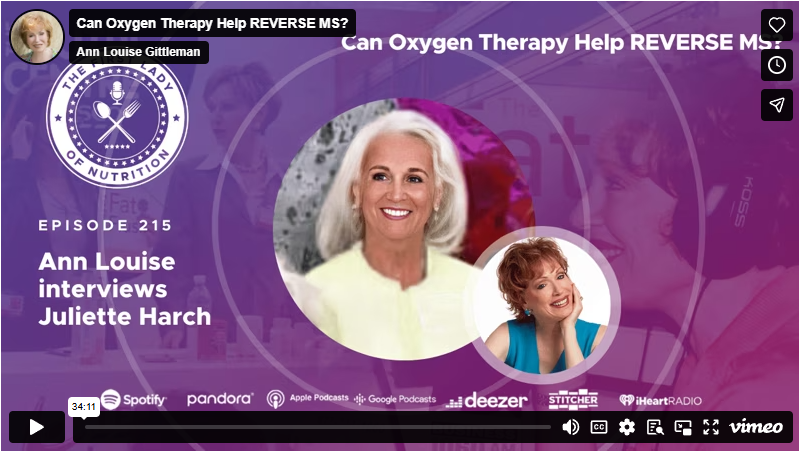
In a recent discussion featuring nutrition expert Ann Louise Gittleman and MS survivor Juliette Harch,
the conversation explored how targeted oxygen therapy may play a role in neurological recovery
and improved quality of life for people living with MS.
Understanding Oxygen’s Role in Neurological Health
Healthy nerve tissue depends on adequate oxygen supply. In MS, inflammation and immune activity
can disrupt blood flow and reduce oxygen availability in parts of the central nervous system.
When nerve cells and supporting cells receive insufficient oxygen, their ability to function
and repair damage may be compromised.
Researchers have observed that oxygen deprivation in the brain and spinal cord can contribute
to neurological dysfunction and the breakdown of myelin—the protective insulation around nerves.
Restoring oxygen levels may therefore help support cellular energy production and tissue recovery.
What is Hyperbaric Oxygen Therapy?
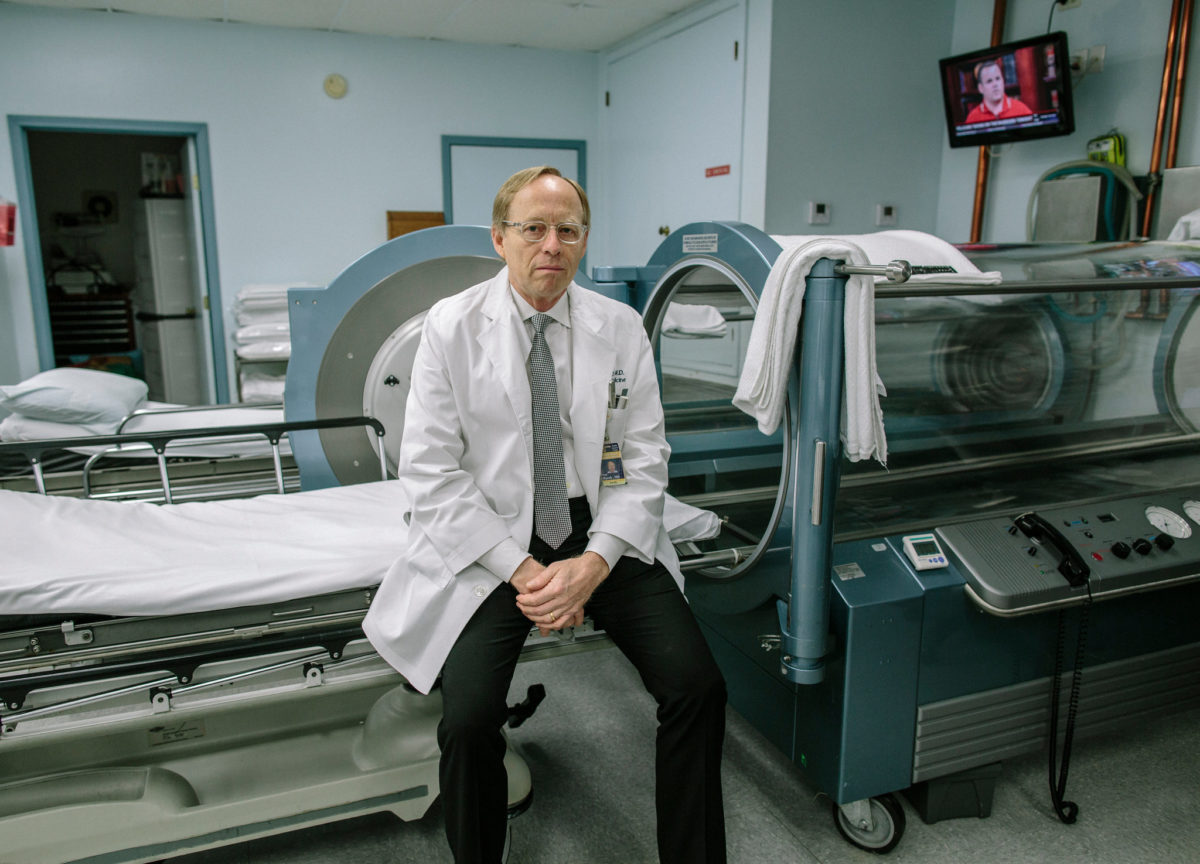
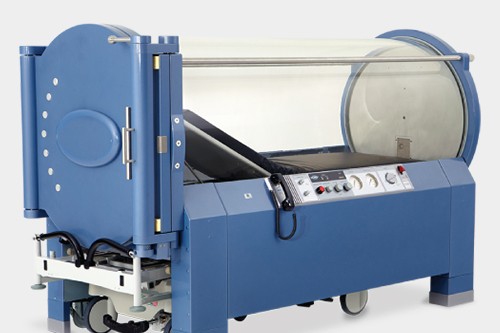
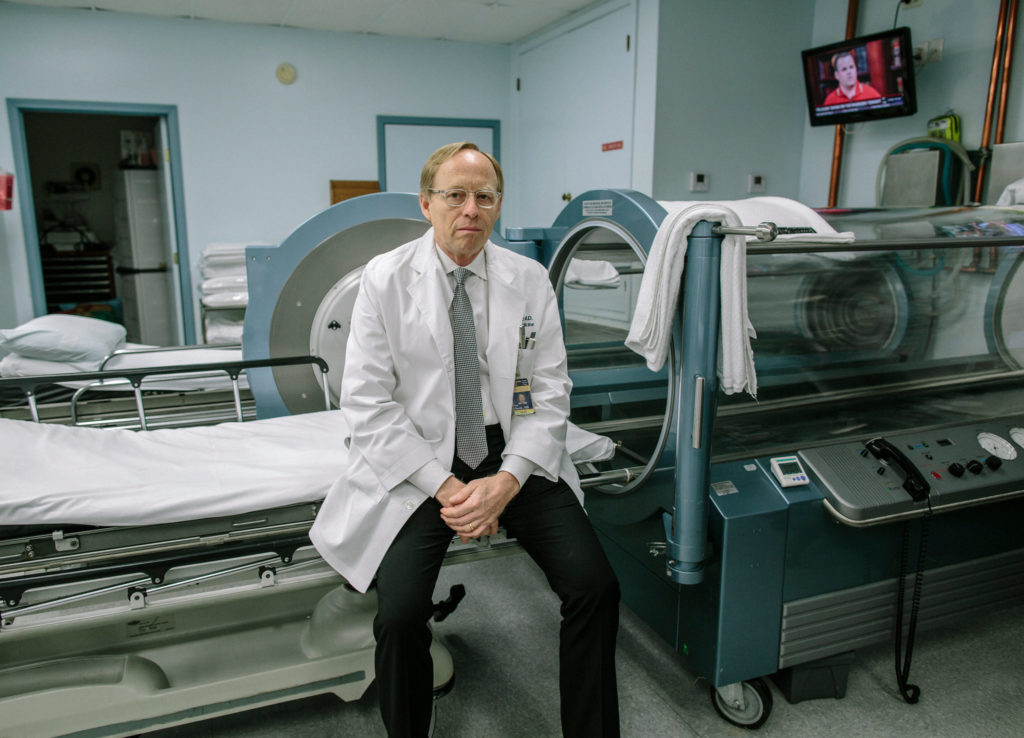
Hyperbaric oxygen therapy involves breathing pure oxygen inside a pressurized chamber.
Under these conditions, oxygen dissolves more efficiently into the bloodstream and can reach
areas of the body where circulation may be impaired.
The therapy has been widely used for wound healing, decompression sickness, and certain
neurological injuries. In recent years, interest has expanded to conditions such as traumatic
brain injury and multiple sclerosis.
A Personal Journey with MS
In the interview, Juliette Harch describes her personal experience with MS and the early symptoms
that signaled something was wrong—declining vision, extreme fatigue, and a general loss of vitality.
Her story highlights the importance of recognizing subtle neurological changes and seeking
comprehensive care.
She also discusses potential lifestyle and environmental factors that may have contributed to her
health challenges, including diet and possible toxin exposure. These factors are increasingly
recognized as influences on neurological health.
The Importance of Proper Treatment Protocols
One of the key themes emphasized in the conversation is that precision matters when
using hyperbaric oxygen therapy. The therapeutic benefit often depends on carefully controlled
pressure levels, session duration, and treatment frequency.
Proper protocols aim to enhance oxygen delivery without placing unnecessary stress on the body.
When used thoughtfully, HBOT may support neurological repair mechanisms, reduce inflammation,
and encourage improved cellular energy production.
What Current Research Suggests
Scientific research continues to investigate the connection between oxygen availability and
neurological function. Studies using animal models of MS have demonstrated that increasing
oxygen levels can reduce neurological deficits and limit damage to myelin-producing cells.
These findings suggest that addressing oxygen deprivation may be an important piece of the
puzzle in neuroinflammatory diseases.
However, it is important to note that hyperbaric oxygen therapy is generally considered a
supportive or adjunct therapy. While it may help improve symptoms or support
healing processes, it is not currently recognized as a cure for MS.
A Broader Perspective on Healing
For many patients, managing MS involves a combination of medical treatment, lifestyle adjustments,
nutritional support, and emerging therapies. Approaches that improve oxygen delivery, reduce
inflammation, and support mitochondrial function may contribute to improved neurological resilience.
Conversations like the one between Ann Louise Gittleman and Juliette Harch encourage a deeper
look at how therapies such as hyperbaric oxygen may complement traditional care and support
long-term brain health.
Final Thoughts
Multiple sclerosis remains a challenging condition with no universal cure. Yet advances in
research and integrative therapies continue to open new possibilities for improving quality
of life. Oxygen therapy represents one of several promising areas of exploration for supporting
the brain’s natural capacity to repair and adapt.
As always, individuals considering hyperbaric oxygen therapy should consult with qualified
medical professionals to determine whether the therapy is appropriate for their specific situation.